This is how I've progressed with my plot so far.
My idea involves a stereotypical 'nerd', 'strange' teenage girl who's very quiet and is always seen with a sketch book. Although quiet, she's very observant therefore she listens and see's how others react to one another. With her sketch book, she draws pair's in whom she thinks will work well in a relationship. Her sketchbook however, has a special ability so that the pair she draws will then become a perfect match; she is like the school cupid.
But one day she comes across one boy who she really really likes. This boy however, detests her. So she begins drawing herself and him together in her sketchbook knowing they'll become a pair. Or will they?
Sunday, 30 June 2013

Thursday, 27 June 2013
Film poster research
As I'm planning on doing a romantic comedy, I've decided to have a look at how certain films are shown through their posters.


I like the layout of this poster as it shows only half of the characters faces and has limited colour. The doodles and bubbles I also like as it gives the poster personality and curiosity.
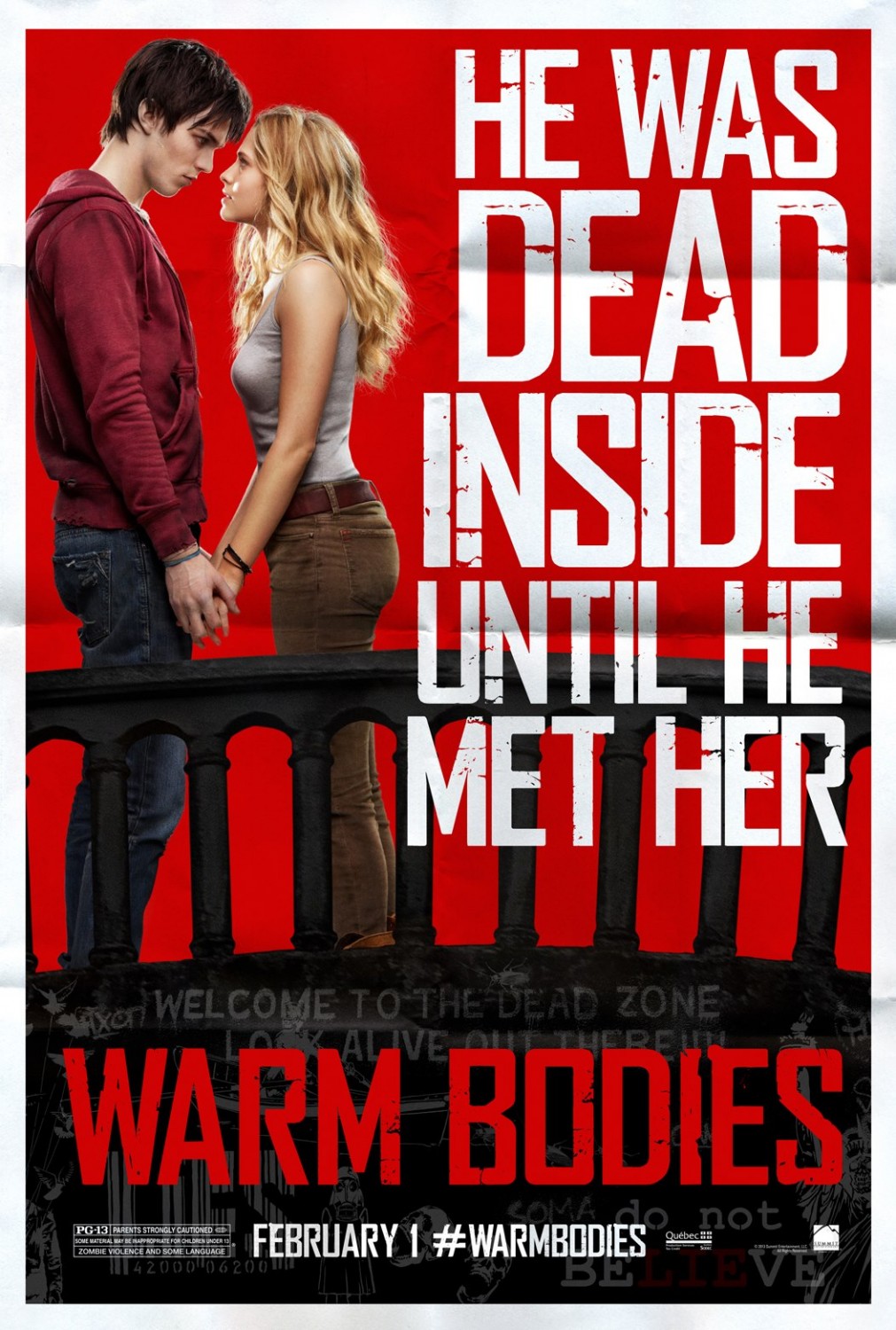
I like the rough and decayed look to the poster, as if their love has lasted for generations, but I might not include this idea in my own poster. The layout and the idea is what I like and it's appeal to teenagers.

The tags and little notes dotted around the characters is a sweet way to express the characters thoughts and personality.

I'm really inspired by the idea of the woman being pulled out from the text, as if ripped out of the characters thoughts so not to distract him. I might not put this into my own poster but maybe something similar.
Camera shots and movement research
I began looking into different camera shot and media language which might be included into my trailer.
Establishing shot:

Establishing shots are often shown at the beginning of a sequence. It establishes the location where the scene will be based.
Wide shot:

Wide shots are used to display most of the action within the performance or to demonstrate a spaced out feeling.
Long shot:

Mid shot:

A mid shot shows the character from the waist upward. Both the character and the background show equal dominance in the shot.
Medium close-up:

A medium close up is half way between a mid shot and a close up. This shows the face clearly without being uncomfortably close.
Close-up:

Extreme close-up:

An extreme close up shows something with great emphasis and detail. This is used with reason and often used within very dramatic scenes.
Point of view shot:

Canted angle:

Canted angles are deliberately done when the camera is slanted to one side. This is used for dramatic effect such as uneasiness or madness.
Two shot:

Two shot's are good to introduce and show the relationship between two characters. This shot can be changed depending on the amount of people; for example, if there are 3 characters in the shot then it'll be a 'three shot'.
Crane shot:

A crane shot is taken with a crane which is used to show the characters surroundings. It's commonly used to end a film or to show a character from above.
Aerial shot:

This shot is taken with a helicopter or plane to show or establish a large scene. It could also demonstrate a characters insignificance.
Low angle shot:

A low angle shot is used to give the character power or greatness. It's called this as the camera is placed below the subject.
High angle shot:

A high angle shot provides the character with little power and vulnerability. The camera is placed above the characters.
Over the shoulder shot:

Over the shoulder often is used during scenes involving alot of diologue. This shot could also emphasises hight difference or the characters position in the scene.
Tracking shot:

Tracking involves a camera on a track. These shots are often used within running or car chase scenes to show the speed of the character.
Focus Pull:

Focus Pull's highlights to the viewer what's importaint in the scene, whether it's close up to the camera or far away. For Example, focus pulls could be used between two people in conversation or used to focus on an object.
Panning:

Panning is used so to keep up with the pace of the moving subject. Therefore the moving image is in focus and the background is blured.
Hand- Held:

Hand held shots are used to provide a natural feel to a scene, for example, if someone is running the camera will be shacky. This could provide an uncomfortable and tence feel to the event.
Steadi-cam:

Steadi-cam's are hand held yet provide stebility to the shot so, compared to hand-held, the shot won't be so shacken and less natural.
Researching conventions of a movie trailer
Film trailers:
- It gives a small taster to upcoming films
- It markets and promotes the film
- They could be big budget or small budget productions
- 'Teaser trailers' give a very small tease to what the film is about, they're shown before the actuall trailer.
- Trailers are longer than teasers and show futher details about the film i.e. release date.
- There can be many trailers based on one movie.
- Trailers are meant to show hints of the film and not give too much away of the plot. The shots shown might not be displayed within the film, but maybe in the extented version.
- Some trailers are critizised for giving too much of the plot away therefore spoiling the film for the viewer.
- The title of the film is shown at the end of the trailer, plus release date.
- Sometimes names of actors staring in the film are displayed earlier on in the trailer. This'll let the audience know who is a part of the film and it may tempt viewers to see it.
- Sometimes the directors name or producers of the film are displayed from the beginning of the trailer. This may be introduced with the phrases "From the makers of..., The director of..."
- Often a powerful voice-over highlight's the importaint infomation of the film and draws the viewers to watch the trailer.
- Often text appears during the trailer which display importaint infomation such as: Film title, tag line, release date, director, actors, ways in which the film's displayed e.g. IMAX, 3D.
- Music is often played in the background of trailers which fit with the genre, plot and style of the film. It also provides excitement and brings all the elements of the trailer together.
Thursday, 20 June 2013
Drafting idea's for movie trailer and researching into similar products
I have taken an interest to base my trailer as a romantic comedy with the target audience of teenagers.
Idea's that I have taken an interest to use within my trailer is demonstrated within this trailer from 'Scott Pilgrim vs The World'; the idea of using 'comic book' onomatopoeia's and icons demonstrating emotion so to emphasise the characters feelings:
A plot idea I've been thinking about is a school based romance involving a girl who is considered out of the ordinary and strange who ends up with a boy one way or another. The idea is still not clear but something I'll keep working on.
Thursday, 13 June 2013
First post: Reviewing the briefs and drafting first ideas
We've been given briefs to choose from and so far I've decided to choose:
2. A promotion packaage for a new film, to include a trailer, together with two of the following three options:
Current popular film magazines include "Empire magazine" and "Total Film" where I could feature my film.
2. A promotion packaage for a new film, to include a trailer, together with two of the following three options:
- a website homepage for the film;
- a film magazine front cover, featuring the film;
- a poster for the film.
Current popular film magazines include "Empire magazine" and "Total Film" where I could feature my film.
Subscribe to:
Comments (Atom)